
Countdown to #CPExpo 2027:
- 00Days
- 00Hrs
- 00Mins
- 00Secs
This is part of a regular series of technical advisor CEO Spotlights, where leading TAs share their secrets for success and goals for the future).
Mike Oliver started SOLUS Technology Solutions 24 years ago with a simple mission.
“We exist to make technology simple, strategic, and human—guiding organizations through every stage of their technology journey with expertise, integrity, and unwavering client advocacy,” he said.
SOLUS represents nearly 400 service providers offering SECaaS, EDR/MDR, DaaS, IaaS, CCaaS, UCaaS, private and public clouds, help desk, and network services.
“Success in any business ultimately comes down to three key elements: people, processes, and technology,” Oliver said.
He explains that organizations should build teams carefully and intentionally because hiring has a profound impact on culture, performance, and long-term success. Processes must be consistent to deliver exceptional customer experience, and that means they should be well-documented, repeatable and clearly define how work gets done. And tech should support and enhance processes rather than dictate them.
Achieving its goal of making tech simple, strategic and human has built a loyal client base for SOLUS. Oliver was named an inaugural Channel Partners TA Thought Leader, honored at the 2026 Channel Partners Conference in Las Vegas.
We caught up with Oliver to discuss SOLUS and the opportunities and challenges the current tech landscape brings to TAs.
How big is SOLUS headcount-wise, and who are your main technology partners?
Oliver: SOLUS has eight full-time employees, supported by an outsourced Network Operations Center (NOC) team of 24 professionals.
Our key technology partnerships are Techosystems for our Creatio CRM platform, and Spectrotel and Momentum as primary strategic service provider partners. Additional technology partners are GoTo, Summit/Deft, Managed Solutions, Thrive, and Vigilant Technologies. These partnerships enable SOLUS to deliver comprehensive technology solutions, expert guidance, and ongoing support to our clients.
What do you see as the biggest opportunities and challenges in your industry over the next five years?
Oliver: The most significant challenge facing our industry is the rapid advancement and adoption of Artificial Intelligence. AI has the potential to streamline technology research, recommendations, and decision-making, giving organizations access to information and analysis at unprecedented speed.
However, technology decisions are rarely one-size-fits-all. The challenge for trusted advisors like SOLUS is to continue demonstrating the value of our real-world experience, provider relationships, and deep understanding of each client's unique business requirements. While AI can be a powerful tool, our role is to help clients interpret the vast amount of information available, avoid costly mistakes, and make informed decisions that align with their long-term business objectives.
What other emerging technologies does SOLUS use to stay ahead of the curve?
Oliver: SOLUS has made significant investments in our CRM platform and business automation tools to enhance client engagement, improve operational efficiency, and ensure we remain proactive in managing client relationships. These technologies help us maintain a comprehensive view of each client's environment, enabling timely outreach, effective account management, and a higher level of personalized service.
We are currently upgrading our CRM platform to incorporate advanced AI capabilities that will further strengthen our ability to analyze customer needs, identify opportunities, and uncover trends that may impact our clients' technology strategies. By leveraging AI-driven analytics and insights, SOLUS will be able to deliver more actionable data, helping clients make informed decisions, optimize technology investments, and better align their solutions with business objectives.
What’s next for your company? Are there any exciting projects or initiatives you’d like to share with our audience?
Oliver: One of our most exciting initiatives is the recent launch of a channel-focused growth strategy for SOLUSCare, our outsourced carrier management service. The response from our channel partners has been extremely positive, as they quickly recognize the value SOLUSCare brings to both their organizations and their customers.
SOLUSCare alleviates this burden by serving as a single point of contact, allowing our clients to focus on strategic business initiatives while we handle the day-to-day management of their carrier ecosystem.
What do most people misunderstand about building a sustainable business in the advisor channel?
Oliver: One of the biggest misconceptions about the advisor channel is that recurring commissions or residual revenue create a "set it and forget it" business. Sustainable success requires ongoing engagement and relationship management.
Clients expect value long after the initial sale. Building a lasting business means regularly reaching out, scheduling meetings, making site visits, and being available when clients need guidance. Sometimes that means getting on a plane, driving across the state, or simply picking up the phone to maintain a meaningful connection.
The advisor channel is fundamentally a relationship business. While technology solutions may be the product, trust is the true differentiator. Industry attrition rates can be significant, and in many cases, customers leave not because they are unhappy, but because they no longer feel connected to their advisor. When clients don't hear from you, they may assume you're no longer providing value.
The advisors who build sustainable businesses are the ones who consistently invest in their relationships, remain visible, and continue serving as trusted advocates throughout the entire customer lifecycle, not just during the sales process.
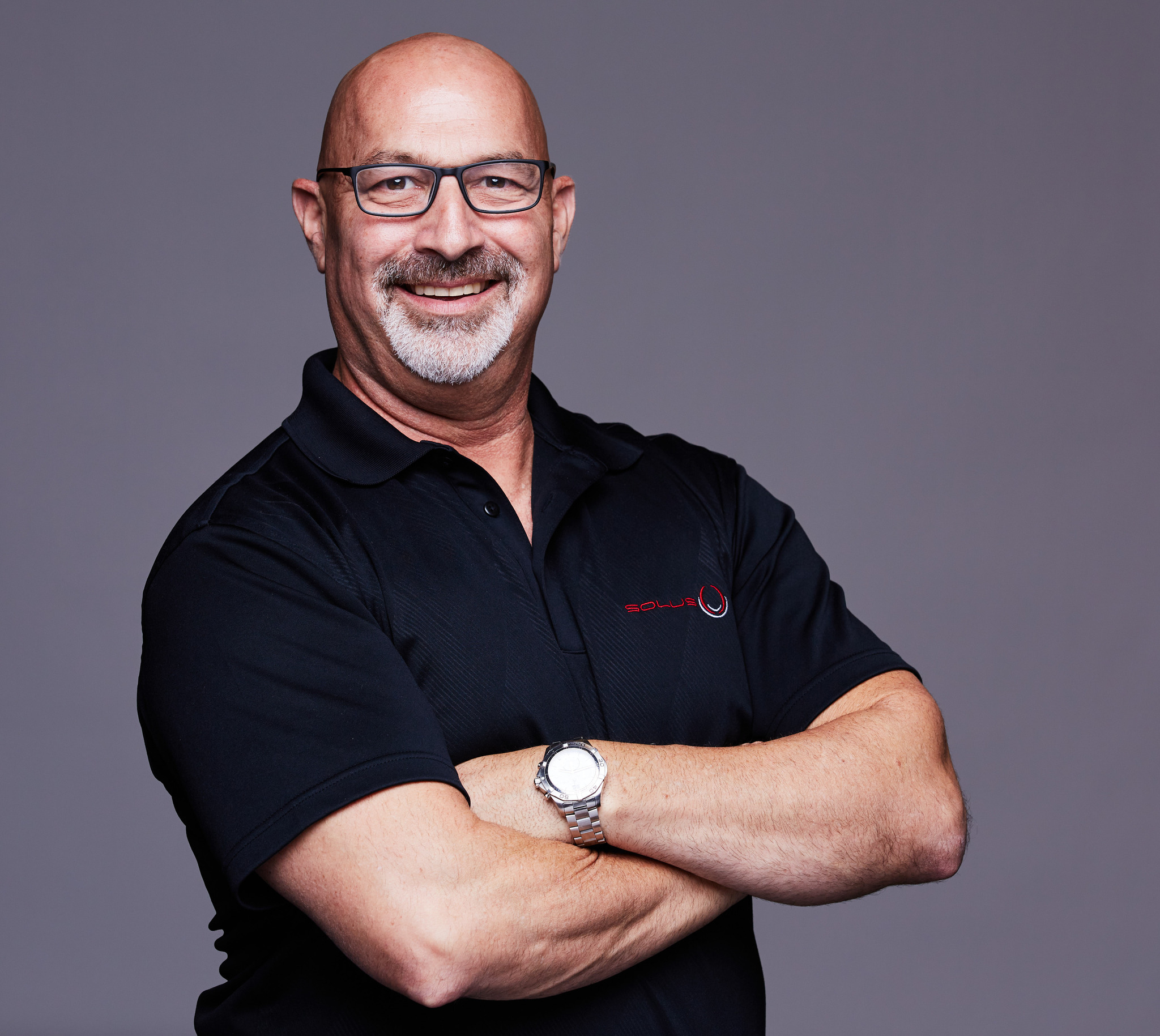 Mike Oliver
Where do TAs risk losing credibility with buyers today?
Oliver: Technology advisors risk losing credibility the moment they prioritize their own interests over those of their clients. Buyers are more informed than ever, and they can quickly recognize when a recommendation is driven by commissions, incentives, or convenience rather than by what is truly best for their business.
The most successful advisors understand that their role is not to sell a product or service. It is to solve a problem. When an advisor recommends a solution that doesn't align with the client's needs, they waste the client's most valuable resource: time. Once trust is lost, it can be extremely difficult to regain.
Long-term success in the advisor channel comes from putting the client first, even if it means recommending a lower-cost solution, a lower-commission provider, or even advising a client to do nothing at all. Clients remember advisors who consistently act in their best interests, and those relationships ultimately generate far greater value than any short-term commission opportunity.
Trust is the foundation of every successful advisory relationship. If you focus on helping clients achieve the right outcome, the business results will follow.
What incentives in the channel are misaligned with customer outcomes today?
Oliver: The channel has created tremendous opportunities for advisors and customers alike, but one area that can create misalignment is the use of short-term sales incentives and spiffs. While incentive programs can be effective in driving awareness and growth for new solutions, they can also unintentionally influence recommendations if advisors focus more on compensation than customer outcomes.
The reality is that not every provider or solution is the right fit for every client. When financial incentives become the primary factor in a recommendation, there is a risk that customers may be guided toward a solution that is less aligned with their business needs, operational requirements, or long-term goals.
The best advisors recognize that trust is their most valuable asset. A larger commission or promotional incentive may provide a short-term benefit, but a poor recommendation can damage a client relationship that took years to build. Sustainable success comes from consistently recommending the solution that delivers the best outcome for the customer, regardless of the compensation attached to it.
In the end, advisors who prioritize client success over short-term incentives are the ones who build lasting relationships, earn referrals, and create long-term business growth.
If you were starting today, what would you do differently and what would you do exactly the same?
Oliver: If I were starting over today, I would be even more deliberate about focusing on technology solutions that can scale efficiently without requiring significant implementation or ongoing support resources. Businesses that rely heavily on human capital often face challenges with profitability, consistency, and growth. I would look for opportunities where I could deliver exceptional value to clients while maintaining an efficient operating model.
I would also be more intentional about how I spend my time. Early in my career, a mentor told me, "You're a $200-an-hour person doing $20-an-hour work." That advice stuck with me. As entrepreneurs and business leaders, it's important to focus on the activities that create the greatest value for the business and delegate administrative or repetitive tasks whenever possible. Your time is one of your most valuable assets.
What I would do exactly the same is focus on my core strengths and areas of expertise. Every successful entrepreneur has unique experiences, skills, and insights that differentiate them from the competition. Rather than trying to be everything to everyone, I would continue to concentrate on the areas where I can provide the most value and build confidence through consistent success.
Over time, that focus creates momentum. The more you lean into your strengths, the more expertise you develop, the more trust you earn, and the greater the opportunities that follow.