
Countdown to #CPExpo 2026:
- 00Days
- 00Hrs
- 00Mins
- 00Secs
(This part of a weekly series of technical advisor CEO Spotlights, where leading TAs share their secrets for success and goals for the future).
Jim McNeese founded C2XCEL in 2016 “because I believed companies deserved a true technology advisor—someone accountable to the client, not to a quota or a specific vendor.”
Under his leadership, C2XCEL has delivered documented, measurable results for enterprise and mid-market clients, including double-digit percentage cost reductions, improved operational visibility, and simplified vendor ecosystems. McNeese positions himself and his firm as long-term trusted advisors—guiding clients through complex decisions with transparency and accountability. Repeat engagements, multi-year relationships, and executive-level referrals reflect sustained client trust and loyalty.
He redefined sales leadership at Plano, TX-based C2XCEL by shifting from transactional selling to advisory-led engagement. He introduced value-based discovery, outcome-driven assessments, and executive-level financial modeling that align technology decisions with business objectives. He also collaborates with vendors to design joint go-to-market strategies that prioritize client outcomes, leveraging partner programs and incentives to deliver shared success without compromising independence.
As part of our series of TA CEO Spotlights we asked McNeese about his background and secrets to his success.
Channel Partners: What inspired you to start or lead your company, and what is your company’s mission?
McNeese: Over the years I saw too many organizations struggling with fragmented infrastructure, vendor sprawl, rising technology costs, and internal teams that were already stretched thin.
I built C2XCEL to bring clarity and structure to those environments. Our mission is simple: help organizations make smarter technology decisions by surrounding them with the right experts and solutions while staying completely vendor neutral. At the end of the day, our job is to simplify complexity and help our clients achieve outcomes they didn’t think were possible.
Channel Partners: What do you see as the biggest opportunities and challenges in your industry over the next five years?
McNeese: Technology decisions are becoming more strategic than ever before. They’re bigger investments, they affect every part of the business, and they’re becoming increasingly complex. That creates a huge opportunity for trusted advisory firms that can help leaders align business strategy with the right mix of cloud, network, security, mobility, and AI solutions—without vendor bias.
The challenge is that complexity keeps accelerating. There are more providers, more overlapping platforms, more licensing and contract risk, and more pressure on CIOs and CFOs to make high-impact decisions quickly. The firms that succeed over the next five years will be the ones that help simplify that complexity and turn technology decisions into clear business outcomes.
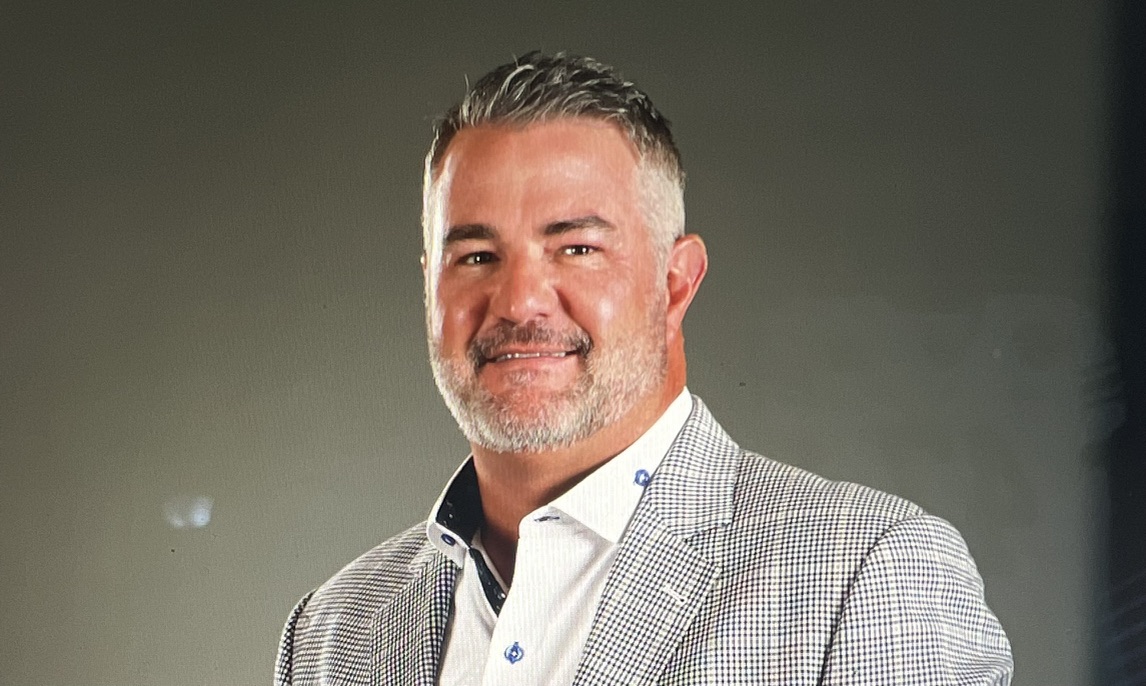 Jim McNeese
Channel Partners: What advice would you give to aspiring entrepreneurs or leaders in the tech space?
McNeese: Focus on trust before scale. Technology changes quickly, but trust and reputation are what build lasting businesses. In a crowded market, the people who win are the ones clients trust when the stakes are high.
Spend time learning how to ask better business questions before recommending technology. The best advisors solve operational and financial problems first—they don’t just promote the newest product trend. Stay close to your clients, do what you say you’re going to do, and build a reputation for honesty and follow-through.
Channel Partners: What do most people misunderstand about building a sustainable business in the advisor channel?
McNeese: A lot of people assume sustainability in the advisor channel comes from having access to suppliers. In reality, access is the easy part—there are thousands of providers in the market.
What actually builds a sustainable advisory business is trust, consistency, and staying aligned with the client even when incentives in the market might pull you in another direction. Long-term success comes from delivering repeatable outcomes and building credibility over time.
At C2XCEL, we’ve always focused on remaining vendor neutral and serving as a single point of accountability for the client. That approach builds relationships that last far beyond any single transaction.
Channel Partners: Where do Trusted Advisors risk losing credibility with buyers today?
McNeese: Trusted advisors lose credibility the moment they start sounding like salespeople instead of advisors. That usually happens when someone leads with a product before understanding the business problem, pushes the solution that’s easiest to sell, or disappears after the deal is done. Today’s buyers are extremely sophisticated—they want transparency, technical depth, and real accountability throughout the entire process.
If an advisor isn’t helping reduce complexity, improve outcomes, and stay engaged after implementation, the client will eventually see them as just another layer in the sales cycle.
Channel Partners: If you were starting today, what would you do differently—and what would you do the same?
McNeese: If I were starting today, I would probably invest earlier in sharper positioning, stronger operational systems, and clearer messaging around business outcomes instead of just technology categories. I would also move faster in areas like AI, cybersecurity, and ongoing optimization services, because those are becoming central to executive decision-making.
What I would absolutely do the same is remain vendor neutral and client-first. C2XCEL has always been built on trust, long-term relationships, and stewardship of our clients’ technology environments. That philosophy has been a big reason the company continues to grow, and it’s something I would never change.
Channel Partners: What’s next for C2XCEL? Are there any exciting projects or initiatives you’d like to share?
McNeese: C2XCEL continues to grow as a vendor neutral strategic advisor for mid-market and enterprise organizations, especially companies managing complex, multi-site environments.
Right now we’re focused on helping clients navigate some of the biggest shifts happening in technology—AI adoption, cloud transformation, cybersecurity, mobility, and network modernization. At the same time, we’re continuing to expand our advisory capabilities around cost optimization and vendor management so organizations can make faster, more confident decisions.
It’s an exciting time for us. We’re in one of the strongest growth periods in the company’s history, and our focus remains on helping clients simplify their environments while positioning them for the future.